Energy
Energy Conservation is being achieved at Norfolk State University through efficient energy use practices, which is helping the reduction in greenhouse gas emissions and a smaller carbon footprint as well as cost, water, and energy savings.
Norfolk State University is achieving Energy efficiency through efficient systems, demand management, and utilizing alternative solutions are core objectives at Norfolk State University. Future innovative utilizations of distributed energy resource (DER) integrated throughout the campus buildings not only generate clean electricity but provide hands-on opportunities for students and researchers. We also will integrate open protocol for Energy Management and Information System (Fault Detection Devices and BAS), energy efficiency for data center and labs collects data from energy utility systems all over campus.
By utilizing data analysis, it provides insights to help us maximize efficiencies, reduce costs, and make a positive impact on energy planning and consumption.
- Department of Energy & Sustainability submit the following utility savings for just the first seven months of 2024 compared to first seven months of 2023 -Total Energy Savings (7 Months Jan – Jul) $ 1,120,957.58
National Energy Awareness Month - October
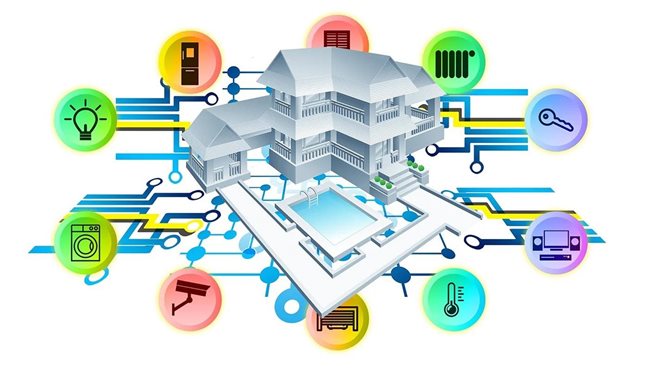
October 2025 is National Energy Awareness Month, our annual national effort to observe the importance of energy efficiency and conservation at Norfolk State University (NSU). This month emphasizes how energy choices affect our NSU communities, economy, and environment by focusing on:
- Energy Efficiency: Promoting the NSU community to be energy efficient and reducing energy waste by incorporating simple actions like upgrading lights or using highly energy-efficient equipment, demand response and SMART Technology.
- Energy Conservation: The act of reducing overall energy use through behavioral changes by lower energy consumption, reducing costs, and helping preserve natural resources.
- Public Education: Sharing resources and encouraging energy-conscious habits.
Beyond just lighting, heating, and cooling our buildings, electricity also protects health by powering emergency response and medical care in our medical facility. Critical sanitation and clean water systems rely on electricity. The use of transportation fuels relies on pumping powered by electricity. Facilities and Residence Halls require high-quality, uninterrupted electric power to deliver the quality of life we depend on.
Everyone at Norfolk State University, students, faculty to contractors, plays a key role in achieving our energy goals by making energy consideration in all that we do. We at the Energy & Sustainability Department challenge you to be energy efficient and energy conservative by looking for ways to save energy, water, and other resources.
Every effort counts – minor changes on our NSU campus daily habits lead to substantial savings when multiplied across Norfolk State University.
Elizabeth River Project River Star Business Model Award 2025

★★★ Norfolk State University avoided an astounding 16M lbs. of air emissions through energy efforts that also realized a cost savings of more than a $1M.★★★
Inside Business ERP River Star Businesses 2025
weatherization
The Department of Energy & Sustainability at Norfolk State University understands the value of Weatherization in Virginia.
iWeatherizations crucial for saving energy and money, making homes more comfortable, improving indoor air quality, and reducing environmental impact by sealing air leaks, adding insulation, and upgrading systems, which lowers utility bills and makes heating/cooling systems more efficient.
Key Benefits of Weatherization:
- Energy Savings & Lower Bills: Prevents heat loss (up to 30% through windows alone) and reduces the workload on HVAC systems, leading to significant cost reductions.
- Improved Comfort: Eliminates drafts and maintains more consistent indoor temperatures year-round.
- Healthier Indoor Air: Improves ventilation and reduces moisture, which can prevent mold and pests, while sealing out outdoor pollutants.
- Increased Safety: Can include installing smoke/CO detectors and ensuring safe operation of heating systems.
- Environmental Impact: Decreases greenhouse gas emissions by lowering overall energy consumption.
- Enhanced Home Value: Energy-efficient homes are more attractive to buyers and can sell faster.
Developing a Weatherization Plan
A weatherization plan focuses on the "whole house" approach, treating the house as an integrated system to improve energy efficiency, health, and safety.
A standard weatherization plan should include:
1. Initial Assessment
- Energy Audit: A professional walkthrough to identify energy loss, typically involving a blower door test to measure air leakage and infrared cameras to find insulation gaps.
- Health and Safety Screening: Testing for carbon monoxide leaks, gas leaks, and moisture or mold hazards.
2. Building Shell Measures (Envelope)
- Air Sealing: Sealing gaps around doors and windows with weatherstripping and caulking and installing foam gaskets behind electrical outlets on exterior walls.
- Insulation Upgrades: Adding or upgrading insulation in attics, walls, floors, and crawl spaces.
- Window and Door Repairs: Replacing broken glass or, in some cases, installing energy-efficient windows, storm windows, or window films.
3. Mechanical Systems
- HVAC Maintenance: Cleaning, tuning, or repairing heating and cooling systems to ensure peak efficiency.
- Duct Sealing: Sealing and insulating air ducts to prevent conditioned air from escaping.
- Water Heating: Insulating water heaters and hot water pipes and replacing inefficient units if necessary.
- Thermostats: Installing SMART thermostats to optimize heating and cooling schedules.
4. Baseload Measures
- Lighting: Replacing inefficient bulbs with ENERGY STAR-certified LED lighting.
- Water Conservation: Installing low-flow showerheads and faucet aerators.
- Appliances: Replacing old, high-energy-consumption appliances like refrigerators with energy-efficient models.
5. Safety and Quality Control
- Alarms: Installing or replacing smoke and carbon monoxide detectors.
- Ventilation: Installing ventilation fans to ensure adequate indoor air quality.
- Final Inspection: A certified quality control inspector must verify that all work meets safety and efficiency standards.
For those seeking financial assistance, the Virginia Weatherization Assistance Program (WAP) provides these services at no cost to eligible low-income households. Weatherization Assistance Program (WAP) for low-income residents, administered by local non-profits and community action agencies, but also consider DIY options like weatherstripping and storm windows.
For Low-Income Residents (Free Assistance):
- Virginia Weatherization Assistance Program (WAP): This is your best bet for comprehensive help.
- What it covers: Air sealing, insulation, duct sealing, minor HVAC repairs/replacements, and health/safety checks (like carbon monoxide testing).
- Who qualifies: Low-income households, with priority for elderly, disabled, and families with children.
- How to apply: Contact your local WAP provider (a non-profit or community action agency) in the Norfolk area. You can find them via the Virginia DHCD website or by dialing 2-1-1.
For All Homeowners (DIY & Other Programs):
- Seal Air Leaks: Caulk windows and doors, weatherstrip gaps, and repair damaged window screens to stop drafts.
- Insulate: Add attic insulation and insulate hot water pipes and tanks to retain heat.
- Windows: Install storm windows or use heavy curtains/shades to manage solar heat in summer and retain warmth in winter.
- HVAC: Clean or repair your heating/cooling units; consider adding ventilation fans for better air flow.
- 2-1-1 Virginia: Call 2-1-1 or text CONNECT to 247211 for a statewide resource directory for various assistance programs in Norfolk.
Key Action: Visit the Virginia DHCD Weatherization webpage to find your local provider and begin the application process for WAP. Utilize other resources that help such as Dominion Energy – Home Energy Evaluation and Community Housing Partners - Energy Solutions Weatherization
Links:
Virginia Weatherization Assistance Program (WAP)
Community Housing Partners - Energy Solutions Weatherization
Dominion Energy – Home Energy Evaluation